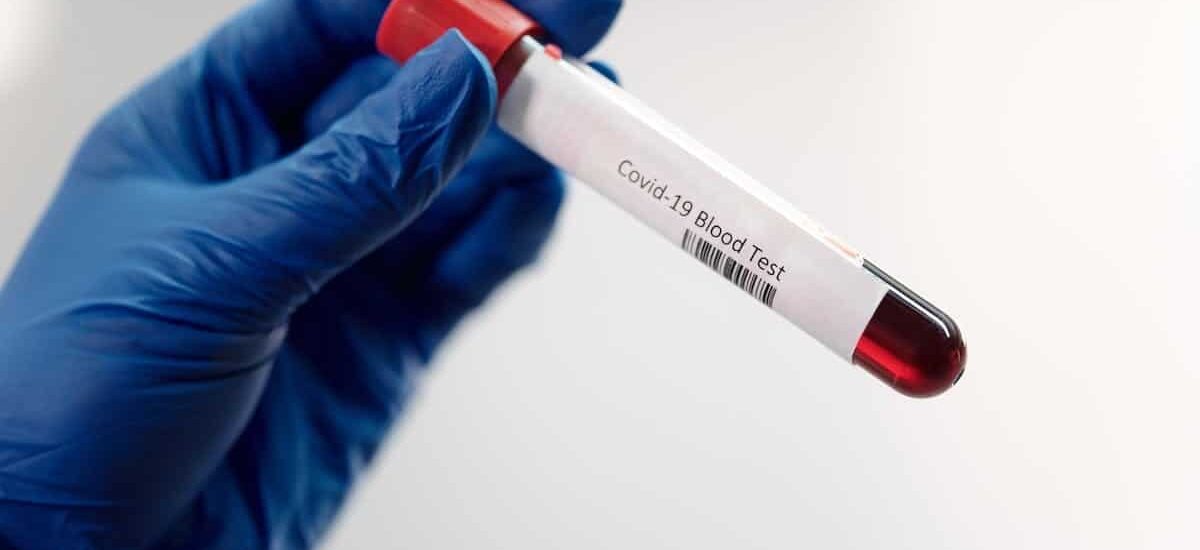
In the complex world of healthcare, the issue of the cost of medical services is always concerning. Often, patients face unexpected fees, even for procedures as common as a blood test. So, what is the real expense when you need such an examination without a medical prescription? Factors such as location, laboratory, the nature of the requested tests, and the absence of medical coverage can influence the price. The transparency of medical fees remains an ongoing debate in the healthcare sector.
In the medical world, the question of the cost of tests and treatments is often a major concern for patients. The ‘blood test price’ fits perfectly into this category. Indeed, whether it is a simple routine check or a more in-depth examination necessary for an accurate diagnosis, the amount to be paid can sometimes be a barrier.
The first thing to know is that if you have a prescription following a consultation with your general practitioner or specialist, health insurance and possibly your supplementary health insurance will cover most of the costs related to the blood draw.
However, without a medical prescription, it’s a different story: you then have to rely on your own financial means to cover the associated costs. The pricing scale varies greatly depending on the specific tests required and the laboratory chosen to perform them.
To give a concrete example • if we are talking about a general blood test including standard parameters like the complete blood count, biochemistry, etc., some laboratories may charge around 30-50 euros excluding taxes. However, more specific or complex tests, such as those aimed at detecting certain viruses like HIV, can reach or even exceed several hundred euros.
It is therefore crucial, before taking any initiative without prior medical recommendation, to carefully consider your expectations regarding the proposed blood test while also taking into account your budgetary capabilities to avoid any unpleasant surprises later associated with the ‘blood test price’.
However, today, thanks to the internet, various providers offer these services directly accessible from your home with home delivery or through their partner network on-site, making this act less burdensome, although still important and should not replace regular follow-up with your treating physician, who remains the only competent judge regarding the real necessity of undergoing such clinical examinations.

When considering the factors that can influence the cost of a blood test without a prescription, several elements come into play. Geographic location must be taken into account. Indeed, prices can vary from one region to another and even within the same city. Private laboratories located in more prestigious areas often tend to charge higher prices than those located on the outskirts.
Another determining factor is competition. In certain regions where several laboratories are present, a decrease in prices is observed in order to attract as many clients as possible. This competition can therefore favorably impact the patient’s wallet.
The choice of laboratory itself can also affect the final amount to be paid. Some renowned establishments specialized in certain types of analyses offer more advanced but also more expensive tests. This does not necessarily mean that their services are better than those offered by a less well-known laboratory.
The complexity and exclusivity of the requested tests can quickly drive up the bill. For example, if you wish to undergo genetic screening or a specific rare test, the costs will logically be higher than standard analyses.
One must consider the potential financial aid, as some organizations may partially or fully cover the costs of blood tests, particularly in the context of medical studies or specific public health programs.
It is important to identify laboratories offering competitive rates tailored to your needs. Comparing prices based on the type of analysis desired can lead to substantial savings.
It should be noted that quality must be a key criterion when choosing a laboratory. Opting for an accredited establishment with recognized expertise remains essential for obtaining reliable and relevant results.
The question of the cost of a blood test without a prescription is complex and dependent on several factors. It is therefore recommended that patients be vigilant, informed, and proactive in their search for the best value for money.
In this section, we will explore in more detail the prices charged by medical analysis laboratories for a blood test without a prescription. It is important to note that these prices can vary significantly from one laboratory to another.
Generally, the average cost of a blood test without a prescription ranges from 30 to 60 euros. It is important to emphasize that this amount can be influenced by several factors. The first element to consider is the geographic location of the laboratory. In large cities or in more upscale neighborhoods, prices tend to be higher due to higher property costs and operational expenses.
Another aspect that affects the cost is the specificity of the tests requested during the blood draw. Indeed, some analyses require the use of advanced techniques or the performance of specific research, which inevitably increases their price. For example, an in-depth genetic test can cost significantly more than a simple standard blood panel.
One must also take into account the level of technological equipment available at the laboratory. Establishments equipped with the latest technologies and medical equipment often charge their services at a higher rate to compensate for their significant investments.
However, there are some tips to reduce the cost of a blood test without a prescription.
In this section, we will explore the advantages and disadvantages of undergoing a blood test without a prescription. While this may seem like a convenient option for some, it is essential to carefully evaluate the implications.
One of the main advantages of a blood test without a prescription is the flexibility it offers to patients. Indeed, it allows those who wish to obtain information about their health status or perform regular monitoring to quickly access the tests they need, without having to go through the often lengthy and complex process of obtaining a medical prescription.
This can also be beneficial for individuals who do not easily have access to a doctor or who live in remote areas where access to healthcare is limited. A blood test without a prescription can therefore be a practical solution for these individuals.
However, there are some potential disadvantages associated with this approach. It should be noted that some blood tests can only be accurately interpreted by a qualified professional such as a specialist doctor or a medical biologist. Without this appropriate support, there is an increased risk of misinterpreting the results and therefore a misunderstanding of the information provided by the blood test.
By undergoing a blood test without a prescription, there is a potentially dangerous risk of neglecting the necessary professional medical advice in case of abnormal or concerning results. Indeed, only a doctor can make an accurate diagnosis and develop an appropriate treatment plan based on the obtained results.
It should be emphasized that some blood tests may require specific preparation before they are performed, such as fasting, for example. Without the guidance of a healthcare professional, it may be difficult for patients to know exactly how to adequately prepare for these tests.
Despite the apparent ease and speed offered by a blood test without a prescription, it is essential to consult your treating physician to assess whether this would be appropriate in their particular situation and especially to benefit from the essential medical advice for a correct interpretation of the results obtained.
In this section, we will explore the alternatives to traditional blood tests. While blood tests are often considered a reliable way to obtain information about our health, some patients seek less invasive alternative methods.
One of the most common alternatives is the use of personal monitoring devices such as blood pressure monitors or glucometers. These devices allow individuals to monitor their blood pressure or blood glucose levels themselves, without the need for regular blood draws. They provide a practical solution for those who need regular monitoring and wish to avoid the inconveniences associated with traditional blood tests.
Another growing alternative is the use of at-home DNA tests. These kits allow individuals interested in their genetic heritage or medical predispositions to easily perform tests at home. Samples are typically collected via a simple cheek swab and sent back to the laboratory for analysis. While these tests do not necessarily provide all the details offered by a complete blood test, they can provide interesting insights into specific aspects.
Technological advancements have also enabled the development of wearable devices such as fitness trackers or smartwatches equipped with biometric sensors. These devices measure various variables such as heart rate, oxygen saturation, stress levels, etc. This can be useful for those seeking information about their physical condition and overall well-being, without requiring regular blood draws.
It should be noted that these alternatives are not always as accurate or comprehensive as a traditional blood test. Results may vary depending on the device used or the analysis methods employed. One should take these results with caution and, if necessary, consult a qualified professional for appropriate interpretation.
While traditional blood tests remain the preferred means of obtaining in-depth information about our health status, there are now several alternatives that offer some convenience and accessibility to patients. It is important to remember that medical professionals remain essential for a thorough analysis of the results in order to establish an accurate diagnosis and develop an appropriate therapeutic plan for each individual.
In this section, we will provide you with some tips to save on the cost of a blood test without a prescription. While these tests are often necessary for personal reasons or to ensure regular health monitoring, it is possible to reduce the expenses associated with these medical procedures.
It may be wise to compare prices between different laboratories before making a decision. Prices can vary significantly from one establishment to another, so doing some preliminary research can lead to significant savings.
Some laboratories offer special packages that bundle several types of common blood tests. By opting for such bundled offers, you can achieve substantial savings compared to the accumulation of individual fees.
Another tip is to inquire with the relevant healthcare professionals. Sometimes, they may recommend a laboratory that offers similar services at a lower cost or even provide specific deals for patients in need.
Additionally, some medical facilities also implement programs aimed at individuals with limited income or insufficient health coverage. These initiatives aim to make blood analyses more accessible and financially affordable for everyone.
There are also various specialized websites where you can directly order your blood self-test kits. They are generally less expensive than traditional services performed in laboratories. However, it should be noted that these tests do not always offer the same guarantees regarding their reliability and accuracy. Caution should be exercised when purchasing online, and one should research the reputation of the supplier.
Although a blood test without a prescription can be costly, there are ways to save without compromising your health or the quality of the results obtained. By comparing prices, looking for special offers, seeking help from medical professionals, and exploring available options online, you can find a solution that fits your budget while continuing to take care of your health.