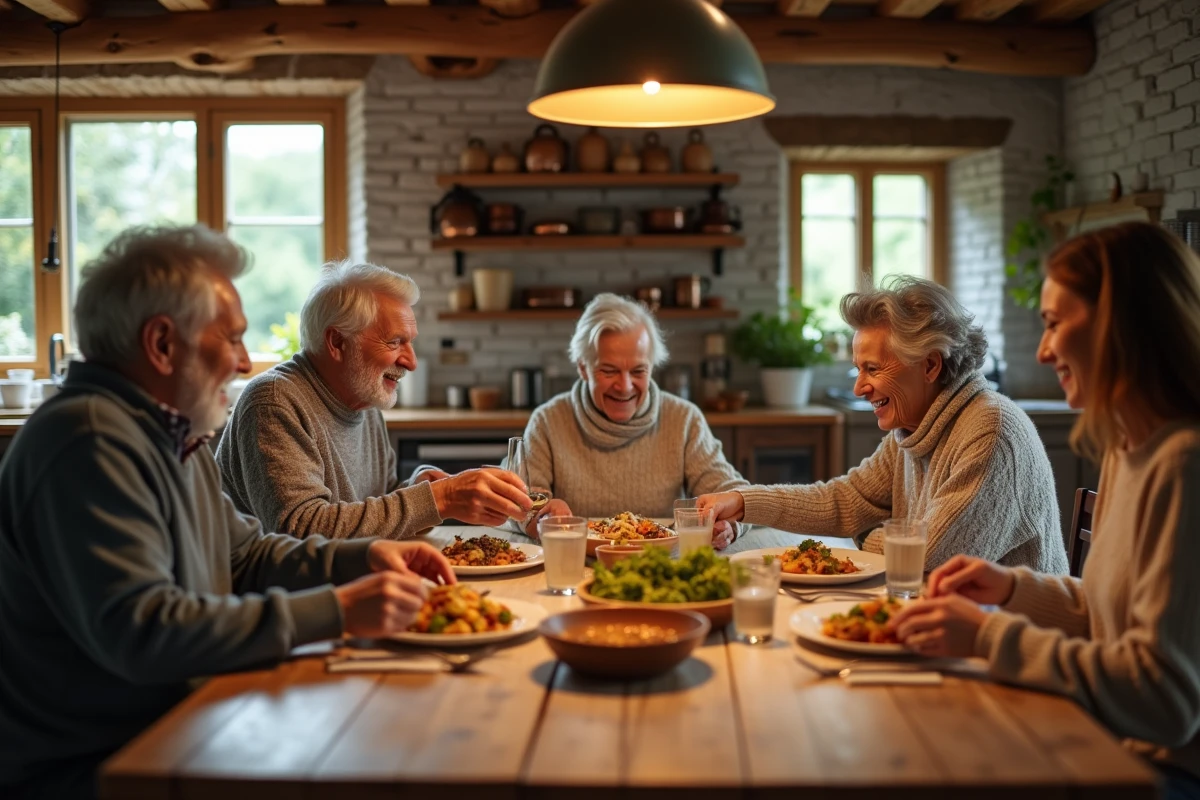
The quality of a family bond is not decreed during a Sunday meal. It is built on regular micro-interactions, calibrated according to the age of household members and the relational configuration at play. We observe that families that maintain lasting cohesion rarely share a spectacular secret: they apply precise communication mechanisms tailored to each stage of development.
Generational Asymmetry and Adjustment of Communication Register
An exchange between a parent and a seven-year-old child does not engage the same levers as a conversation with a teenager or an aging parent. We recommend segmenting interaction modes by age group rather than applying a one-size-fits-all model of family dialogue.
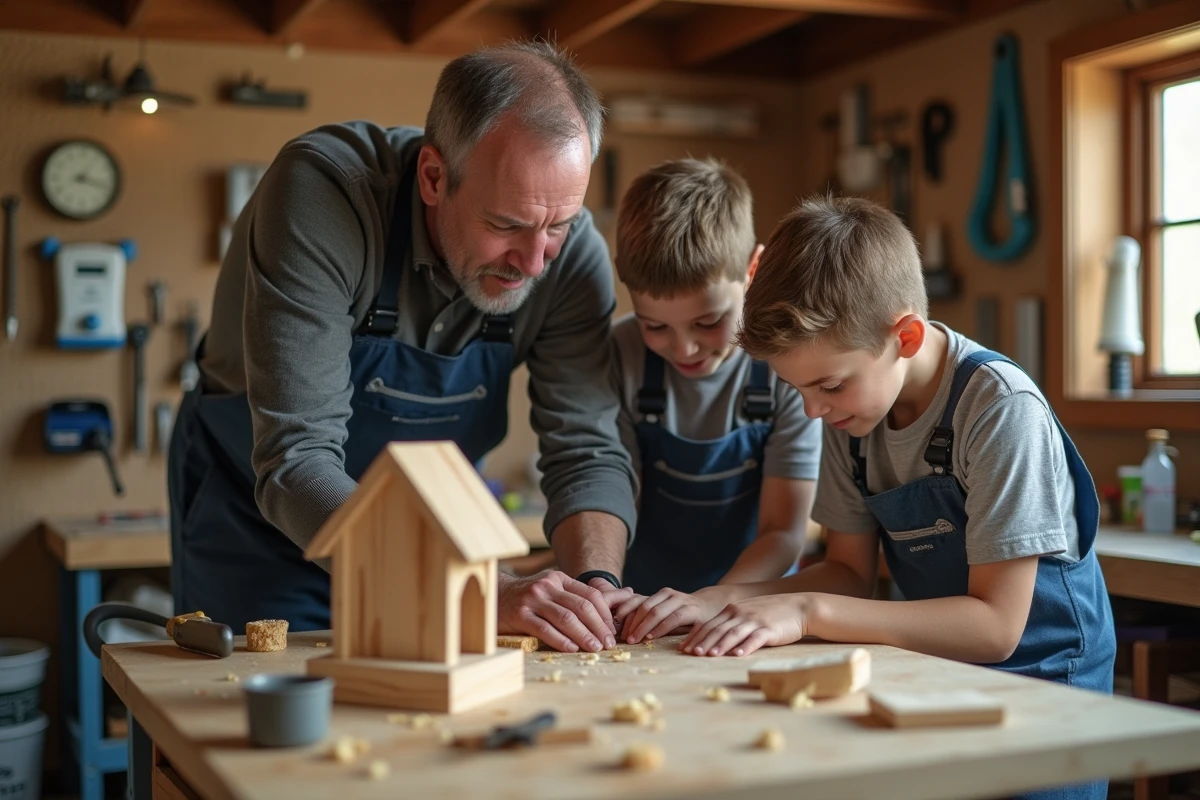
With a school-aged child, communication first occurs through shared activities. Cooperative play, cooking, or DIY projects create a setting where the child verbalizes without direct pressure. Active listening acts here as a trust amplifier.
With teenagers, the register shifts. Co-participation in digital activities (watching a series together, playing online) can strengthen the parent-teen bond, provided that these uses are subject to negotiated rules and discussions about content. Imposing a frontal exchange often produces the opposite effect: withdrawal.
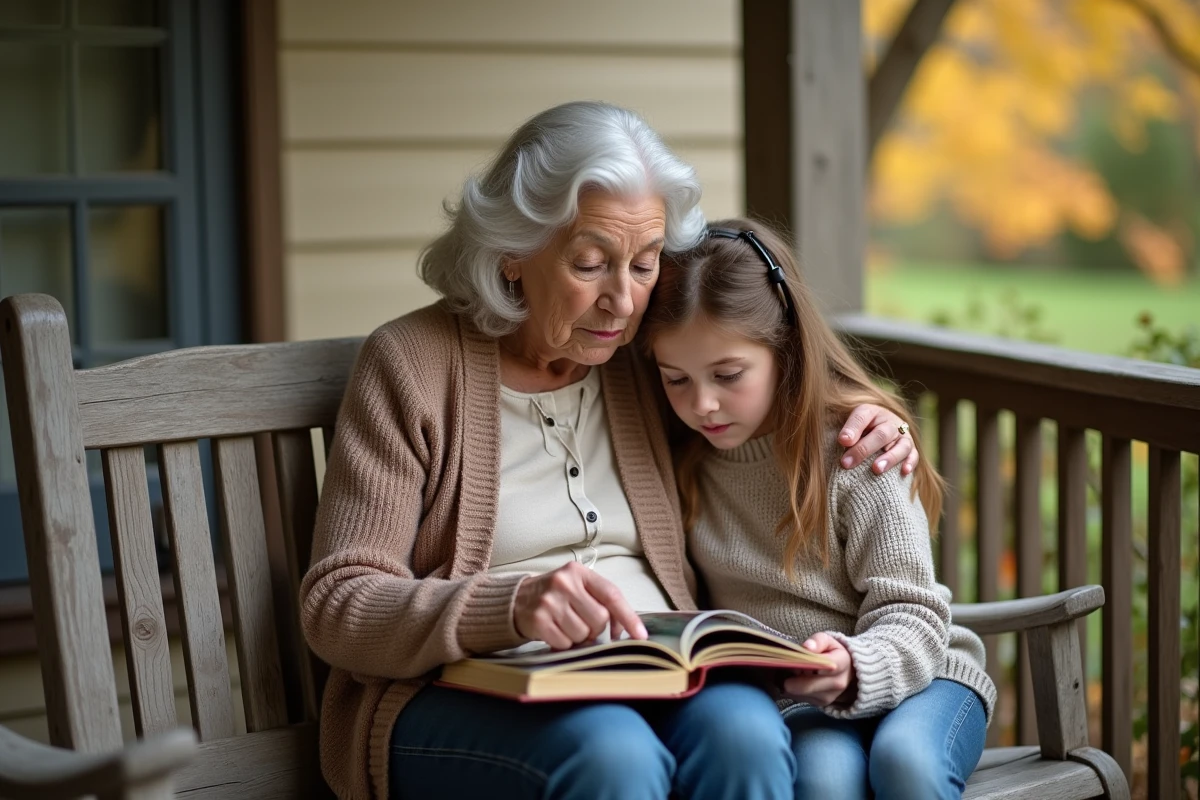
With elderly parents, a common pitfall is to infantilize the relationship. Seeking their expertise on a specific subject (a memory, a recipe, a technical skill) restores a transmission dynamic that values their role in the family.
Several resources address these dynamics, notably family on La Revue des Seniors, which discusses intergenerational relationships from a practical angle.
Family Speaking Rituals: Frequency and Format
Since the COVID-19 health crisis, several studies in family mental health converge to show an increase in anxiety disorders among both parents and children. Families that establish regular speaking rituals report a better emotional climate on a daily basis.
The format is as important as the frequency. A daily roundtable of five minutes, where each member expresses a positive moment and a difficulty from their day, yields better results than a monthly two-hour discussion. Regularity anchors the habit, while brevity prevents saturation.
Three formats of speaking rituals adapted to the family context:
- The “weather report” at dinner: each member describes their mood in one word, then elaborates if they wish. This format is suitable for families with children as young as six or seven years old.
- The weekly rotating question: one member asks an open question (“what surprised you this week?”) and everyone responds at their own pace. This format works well with teenagers.
- The scheduled call or voice message: for geographically dispersed families, a fixed time slot replaces the physical ritual. The regularity of the appointment takes precedence over the duration of the exchange.
We observe that the predictability of the ritual reduces performance anxiety related to communication. Everyone knows when to speak, how long, and in what context.
Long-Distance Family Bonds: Digital Tools and Their Limits
Family messaging groups (WhatsApp, Signal) have become the main channel for coordination and daily sharing in an increasing number of households. This shift is gradually replacing regular phone calls between generations.
The tool solves a logistical problem, but it creates another. Asynchronous communication through short messages favors the exchange of practical information (schedules, photos, organization) at the expense of emotional depth. A constant flow of messages does not replace a ten-minute voice exchange.
For families whose members live in different cities or countries, we recommend distinguishing two channels:
- A logistical channel (messaging group) for routine information, photos, and organizing reunions.
- A relational channel (scheduled video or voice call) reserved for personal exchanges. Separating the two registers prevents the flow of practical information from drowning out substantive conversations.
- A shared memories space (collaborative photo album, shared document of family recipes) that nurtures the sense of belonging without requiring simultaneous availability.
Geographical distance does not necessarily weaken the bond. It changes the medium, not the quality of attachment, provided that synchronous moments remain regular.
Intergenerational Activities: Choosing Those That Produce a Lasting Effect
Not all shared activities are equal in terms of strengthening the bond. Activities where each generation brings a specific skill produce a more lasting effect than those where an adult supervises a passive child.
A grandparent teaching a traditional card game to a grandchild creates a moment of direct knowledge transmission between generations. A teenager helping a parent set up a digital device reverses the usual skill dynamic, which rebalances the relational dynamic.
The most structuring memories for family cohesion are those that involve a slight shared difficulty: a challenging hike, a DIY project with unexpected twists, a complex recipe attempted together. Memory retains experiences where the group had to cooperate to solve a concrete problem better.

Frequency outweighs intensity. A family that shares a simple activity each week builds a stronger relational foundation than a family that organizes a big annual trip without regular interactions the rest of the time. The regularity of shared moments matters more than their exceptional nature.
Family bonds are strengthened by the accumulation of small, well-calibrated sequences, not by spectacular one-off gestures. Adapting the format to each person’s life stage, maintaining predictable speaking rituals, distinguishing digital channels according to their function: these technical adjustments produce measurable results over time.